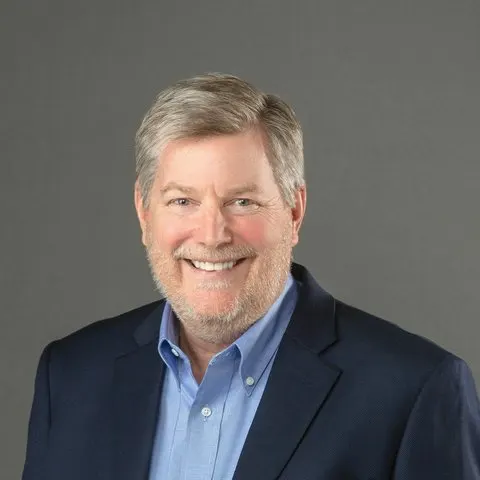
I often think about what my father would say about AI.
I have come to think it would be advice, and that it is meant for today's visionaries: the owners who see something rare and build it.
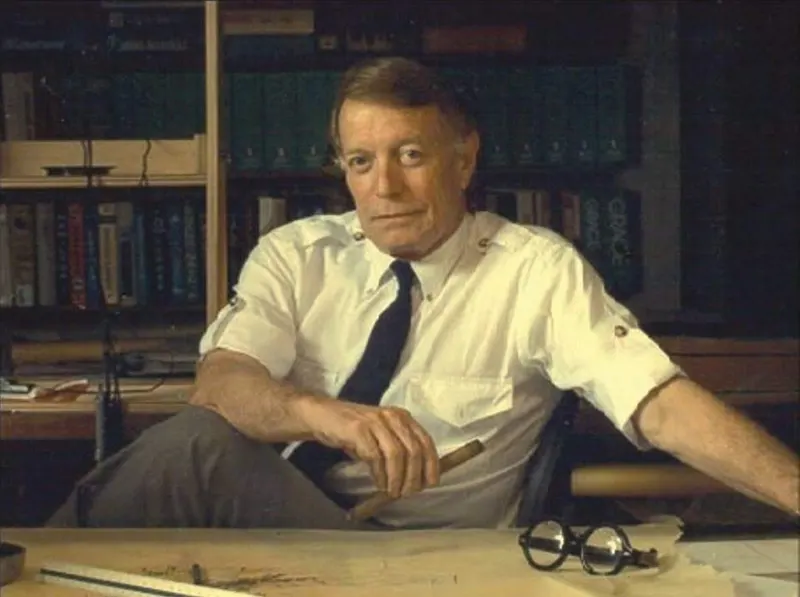
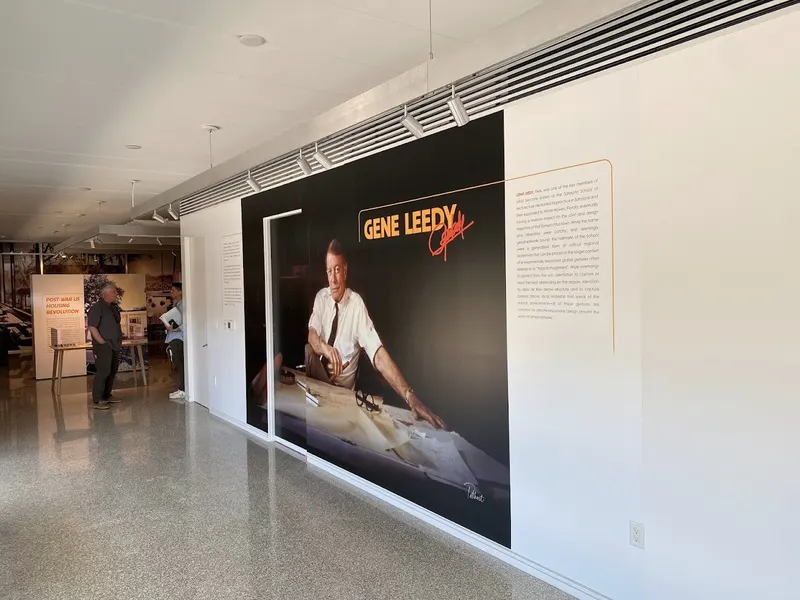
He was Gene Leedy, a mid-century modern architect. His houses were avant-garde, and they stood out. He had a question for the doctors he worked with: "Do you want to be just another little green guy," meaning the scrubs, "coming home to another nondescript house you can't find next to your neighbors?"
His clients were at the top of their own professions, and they wanted something different. He had to be a great communicator, because his kind of architecture needed explaining. Every client of his became a great friend, and the friendships lasted.
The computer
I was used to watching him draw all of his designs and specifications by hand. When the computer came along, I tried to convince him to put them in CAD and get with the revolution. He was so resistant. He said the computer did not draw like he did.
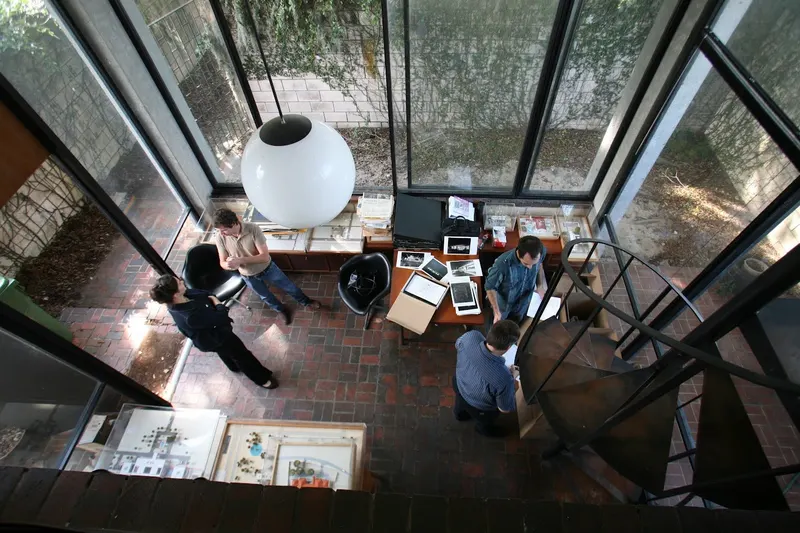
Not until later did I realize his drawings were works of art. Most other architects abandoned the art for the computer. He kept drawing, and after his passing the work was donated to the architecture libraries at the University of Florida.
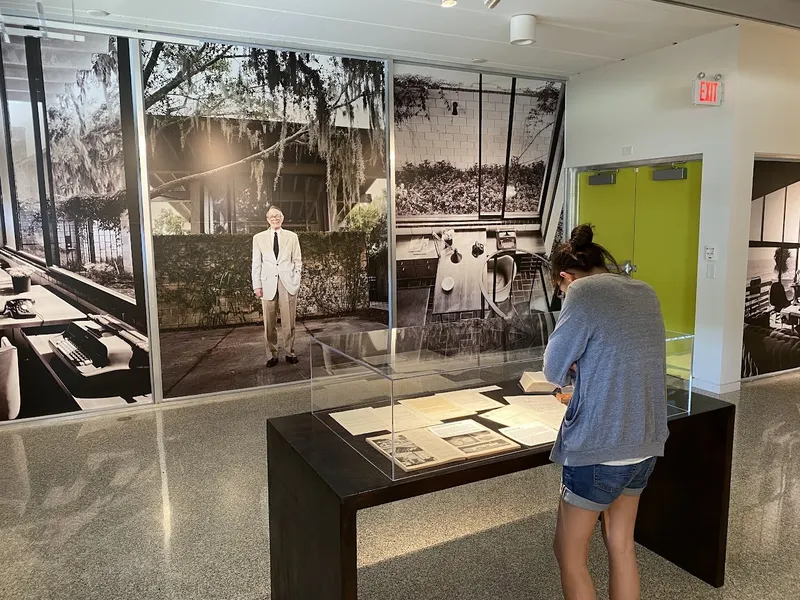
His drawings were stories. Stories of the living: how people would live in the house, how they would work. He would draw a black reveal between the block of a wall and a cabinet. "Two different materials must never touch each other," he would say.
There was a philosophy in his work that went beyond the physical, into the way you live and who you are. The houses changed people and brought them together.
So when I picture telling him, "Hey Dad, AI could help design a modern house," I already know how it goes. I have made that pitch before.
Our downtown
I love using AI. It takes in a mass of information and hands it back simply, and I used it to help organize this piece. What I notice is that it gives the answer most people would give. Ethan Mollick, who teaches entrepreneurship at Wharton, describes the same thing in a recent interview: ask AI for ideas and they cluster toward a consensus, narrower than what a room of people comes up with.
You have seen what that looks like. It is the main street that could be anywhere: the same chain restaurants, the same stores, the kiosk and the transaction. Cold, and the same.
Our downtown is the other kind, and it is precious. The mom and pop shop, the restaurant like no other, the owner who knows you. Keeping it means keeping its identity: seeing something rare, and honoring the visionaries who see it too.
In 1997 Apple ran a commercial that honored the crazy ones: the misfits and the rebels, the people who see things differently. They were the ones, it said, who change things.
AI takes the other side. Left to itself, it honors the normal ones. It is fond of rules and it respects the status quo. You can rely on it and agree with it. About the only thing it cannot do is surprise you.
That has its place. Someone has to hold things steady. But I think we are at the same place that commercial found us, with everything drifting toward the same.
That is what I am afraid of: the mediocre, and the bureaucracy that follows when the average answer runs the business.
What he would tell you
If you are the one who sees it differently, this is for you. I think it is what my father was thinking while I was so sure about the computer.
Use the tool. I use AI every day, and so does my company. Let it handle the middle: summaries, research, the first pass at paperwork, the work every business does about the same way.
Do not be tempted to hand it the rest. How you price, who you turn away, how you treat a client, what you see that nobody else does. Decide those yourself, then ask it for help carrying them out.
At Protected Trust our team uses it as a tool, like a hammer or a screwdriver, when the job calls for it. A business's computers and sign-ins write more log entries than any person could read, and nearly all of it is normal. AI reads through it and hands us the few lines that are not. In a sea of normal, that helps. Then a person who knows you looks at what it found and decides what to do.
In front of art, it is still a machine.
I think my father would say about AI what he said about the computer. It does not draw like he did.
Then he would look at a building he had just finished, pat his chest and say, "Masterpiece!"
Questions people ask
Is this note against AI?
No. Ingram uses it every day. It is about where to let it answer: the work every business does the same way, and never what makes yours different.
Does Protected Trust use AI?
Yes, as a tool. It reads through more log entries than a person could and points to the few that are not normal. The people who know you decide what happens next.
Who was Gene Leedy?
Ingram's father, an architect of the Sarasota School of Architecture who practiced in Winter Haven, Florida. His drawings are kept at the University of Florida.